
Vaginal And Pelvic Infections: Can They Cause Infertility?

Manar Hegazy

Majd Eddin Khaled
Vaginal and pelvic infections are common women’s health concerns. Some may cause symptoms such as unusual discharge, itching, odor, burning, pelvic pain, or pain during intercourse. The question many women ask is: can these infections cause infertility? The answer depends on the type, depth, duration, and treatment timing of the infection.
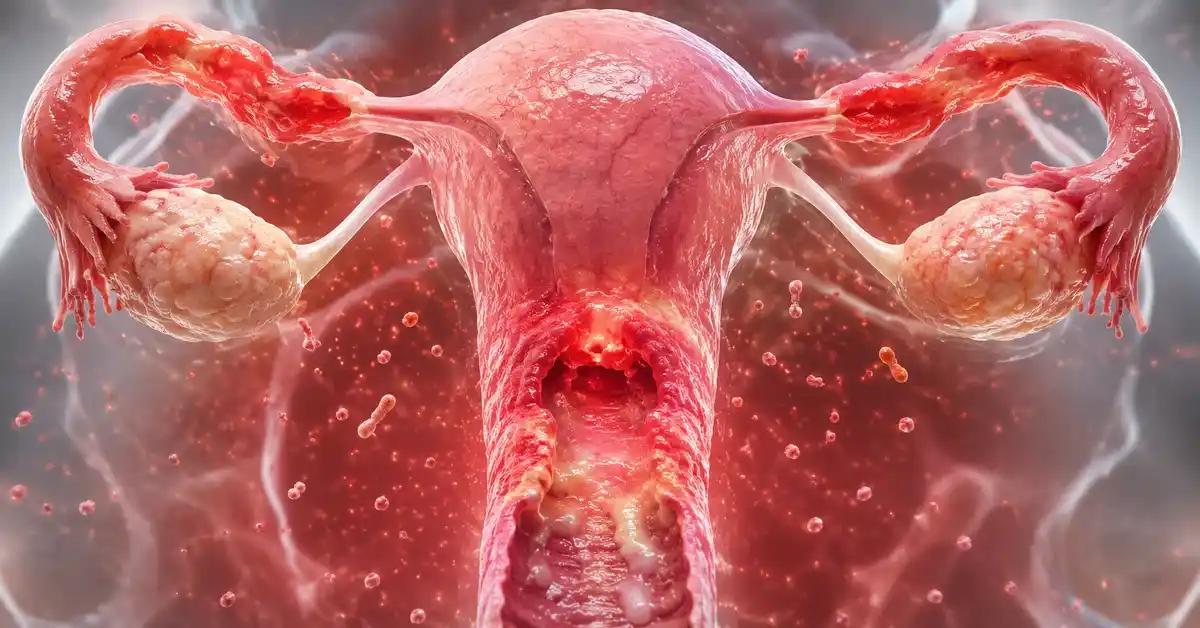
Most simple vaginal infections do not directly cause infertility when they are diagnosed and treated properly. However, when infection spreads upward from the vagina or cervix into the uterus, fallopian tubes, or ovaries, it may become pelvic inflammatory disease. PID can damage the fallopian tubes and may increase the risk of tubal infertility, ectopic pregnancy, and chronic pelvic pain.
Vaginal Infection Versus Pelvic Infection
A vaginal infection usually affects the vaginal area. It may be caused by yeast, bacterial imbalance, irritation, or other infections. Symptoms may include itching, burning, abnormal discharge, odor, or discomfort. These infections can be uncomfortable but are often treatable.
Pelvic inflammatory disease is deeper and more serious. It occurs when bacteria move upward into the reproductive organs. If the fallopian tubes become inflamed, scar tissue and adhesions may form. This can interfere with the normal meeting of egg and sperm or the movement of an embryo toward the uterus.
Do All Vaginal Infections Affect Fertility?
No. Most simple vaginal infections do not cause infertility, especially when treated early. For example, common yeast infections are irritating but usually do not damage the fallopian tubes. The main concern is untreated or recurrent infection that involves the cervix or spreads upward.
This is why repeated symptoms should not be treated blindly. If discharge or discomfort keeps returning, the diagnosis may need review, and the correct type of infection should be identified.
When Does Infection Become Risky?
Infection becomes more concerning when it is associated with pelvic pain, fever, pain during intercourse, bleeding between periods, abnormal discharge with strong odor, or tenderness during pelvic examination. These signs may suggest a deeper infection that needs prompt medical care.
Delayed treatment of PID may allow scarring or adhesions to develop. Early evaluation protects reproductive health and may reduce long-term complications.
Read about: Weak Ovulation: A Clear Guide to Diagnosis and Treatment Options
How Pelvic Infections Can Cause Infertility
Pelvic infections can affect fertility mainly by damaging the fallopian tubes. Natural conception requires healthy tubes. The tube must pick up the egg, allow sperm to reach it, and help the early embryo move into the uterus. If inflammation damages the tube, this pathway may become blocked or poorly functional.
Even when the tube is not completely blocked, its movement may be impaired. This can reduce pregnancy chances and increase the risk of ectopic pregnancy. Therefore, the issue is not only whether infection is present today, but whether old infection left damage behind.
Tubal Scarring
Tubal scarring is one of the most important fertility consequences of pelvic infection. The tube may become blocked, narrowed, or surrounded by adhesions. In some cases, the tube becomes swollen and filled with fluid, a condition known as hydrosalpinx.
Hydrosalpinx can also affect IVF outcomes because fluid from the damaged tube may flow back into the uterus and interfere with implantation. In selected cases, the affected tube may need treatment before embryo transfer.
Adhesions And Ectopic Pregnancy
If a damaged tube remains partially open, an embryo may implant in the tube instead of reaching the uterus. This is called ectopic pregnancy. It is a serious condition that requires early diagnosis and treatment.
A history of pelvic infection or previous ectopic pregnancy makes tubal evaluation important when pregnancy is delayed. Fertiliv reviews these details before deciding whether natural trying, surgery, or IVF/ICSI is more appropriate.
Read about: Endometriosis And Pregnancy: Is Natural Conception Possible Or Is IVF Necessary?
Causes Of Vaginal And Pelvic Infections
The causes of vaginal and pelvic infections vary. Vaginal infections may result from yeast, bacterial imbalance, irritating products, antibiotics, hormonal changes, or immune factors. Pelvic infection often begins when bacteria move upward from the cervix into the reproductive organs.
Some infections may affect both partners and may require treatment for the couple to prevent reinfection. Some infections are also mild or silent, which is why testing becomes important when there is delayed pregnancy or a history of pelvic infection.
Cervical And Bacterial Infections
Cervical infection can act as a bridge between vaginal symptoms and pelvic infection. If untreated, bacteria may move upward into the uterus and tubes. Abnormal discharge, bleeding after intercourse, or pelvic pain should not be ignored.
Correct diagnosis depends on examination and testing, not only the color of discharge. Many infections look similar, and the wrong treatment can delay recovery.
Douching And Random Treatment
Internal vaginal douching and unnecessary antibiotics can disturb the natural vaginal balance and increase recurrence. Using creams or suppositories without diagnosis may hide symptoms temporarily while the real problem remains.
The better approach is to identify the cause and treat it correctly. In fertility care, accurate diagnosis is especially important because the aim is not only symptom relief, but protection of the uterus, tubes, and pregnancy chances.
Read about: Uterine Fibroids And Fertility: When Do They Affect Pregnancy And How Are They Treated?
Symptoms That Should Not Be Ignored
Symptoms that should be evaluated include abnormal discharge, strong odor, severe itching or burning, lower abdominal pain, pain during intercourse, bleeding between periods, fever, pain with urination, or persistent pelvic discomfort.
Pelvic inflammatory disease may be mild or unclear, so a woman may not realize the seriousness at first. If delayed pregnancy is combined with previous infections or pelvic pain, evaluation becomes important.
Abnormal Discharge
Vaginal discharge can be normal when it is mild, without strong odor, pain, or irritation. However, changes in color, odor, amount, or texture with itching or pain may suggest infection. The type cannot always be diagnosed by appearance alone.
If discharge returns after treatment, reassessment is better than repeating the same medication. The cause may be different, resistant, or related to untreated partner infection in selected cases.
Pelvic Pain And Fever
Pelvic pain with fever, pain during intercourse, or unusual bleeding may suggest PID. This should not be delayed because early treatment reduces the risk of complications. The doctor may need a pelvic exam, swabs, blood tests, urine testing, pregnancy test, or ultrasound.
Severe pain, dizziness, vomiting, or heavy bleeding should be evaluated urgently because other conditions such as ectopic pregnancy, ovarian cysts, or appendicitis can look similar.
Read about: Chronic Diseases And Fertility: How Can You Achieve Parenthood Despite Health Challenges?
How Are Infections Diagnosed?
Diagnosis depends on symptoms, examination, and laboratory testing. For vaginal infection, the doctor may take a sample of discharge to identify yeast, bacterial imbalance, or another cause. For suspected PID, pelvic examination, infection tests, pregnancy testing, urine testing, and ultrasound may be needed.
In fertility evaluation, tubal testing such as HSG may be added if previous pelvic infection is suspected. Laparoscopy may be considered in selected cases with chronic pain, adhesions, or suspected endometriosis.
Swabs And Laboratory Tests
Swabs help identify the type of infection and guide treatment. This is important because yeast infection, bacterial vaginosis, and cervical infections require different treatments. The wrong treatment may improve symptoms only temporarily.
In some infections, the male partner may also need evaluation or treatment even if he has no symptoms. Ignoring this may lead to reinfection.
Tubal Testing In Delayed Pregnancy
If there is a history of PID, ectopic pregnancy, chronic pelvic pain, or unexplained infertility, the doctor may evaluate the fallopian tubes. HSG can help show whether the tubes are open and whether hydrosalpinx is present.
This testing is not required for every simple vaginal infection. It becomes relevant when the history suggests possible tubal damage.
Read about: Blocked Fallopian Tubes: Is It The End Of The Motherhood Dream?
Treatment And Fertility Protection
Treatment depends on the cause. Yeast infection, bacterial infection, and PID are treated differently. PID usually requires appropriate antibiotics, and the partner may need treatment in certain infections. Completing the medication is important even if symptoms improve.
Early treatment can prevent complications, but it cannot always reverse old scarring. This is why prevention and timely diagnosis are essential.
Can Treatment Restore Damaged Tubes?
If infection is recent and has not caused damage, recovery may be complete. If scarring or tubal blockage has already occurred, antibiotics may clear infection but may not repair the tube. Surgery or IVF may then be discussed depending on age, damage severity, ovarian reserve, and semen analysis.
A history of infection does not mean hope is lost. It means tubal evaluation may be needed rather than treating only current symptoms.
Partner Treatment And Recurrence Prevention
In some infections, both partners should be treated to prevent recurrence. The doctor may also recommend avoiding intercourse during treatment or using protection until treatment is complete.
If infections recur often, the cause should be reviewed. Is the diagnosis correct? Was treatment completed? Does the partner need evaluation? Are vaginal products causing irritation? These questions help break the cycle.
Read about: Premature Ovarian Insufficiency (POF): Causes, Symptoms, And Medically Available Fertility Options
Infections And IVF/ICSI
Before IVF/ICSI or embryo transfer, it is important to make sure there is no active infection that may affect the cervix, uterus, or endometrium. Untreated infection may create an unfavorable environment for transfer. The doctor may request swabs or treatment before starting or before embryo transfer.
If previous PID caused tubal blockage, IVF/ICSI may be appropriate because it bypasses the tubes. However, if hydrosalpinx exists, the affected tube may need treatment before embryo transfer.
Can Treatment Start With An Active Infection?
A simple diagnosed infection may be treated before or during preparation depending on the doctor’s plan. Active PID, fever, pelvic pain, or heavy discharge usually needs treatment before fertility procedures.
The goal is to avoid sensitive fertility steps while the reproductive tract is inflamed or unstable. Fertiliv pays attention to these details because they may affect safety and treatment success.
When Is IVF Suitable?
IVF/ICSI may be suitable if previous infections caused blocked tubes, hydrosalpinx, repeated ectopic pregnancy, or severe adhesions. In such cases, bypassing the tubes may be more effective than attempting natural conception.
The decision depends on age, ovarian reserve, uterine health, semen analysis, and degree of tubal damage. Fertiliv evaluates both partners before choosing a treatment path.
Read about: Congenital Uterine Anomalies And Their Effect On Pregnancy
Preventing Fertility Damage From Infections
Prevention begins with not ignoring symptoms. Recurrent abnormal discharge, pelvic pain, pain during intercourse, or unusual bleeding should be evaluated. Random treatment and internal douching should be avoided.
Maintaining healthy vaginal balance is also important. Irritating products, unnecessary antibiotics, and excessive internal cleaning may increase recurrence. Prevention is not only about avoiding infection but also preventing repeated or ascending infection.
Check-Up Before Pregnancy
If a woman is planning pregnancy and has a history of recurrent infections, a preconception gynecologic evaluation can be helpful. This may include examination, swabs, cervical assessment, and tubal evaluation if there is a history of PID.
Not every woman needs many tests. The medical history determines what is necessary. Fertiliv helps patients avoid both neglect and unnecessary testing.
Treat Early
Early treatment reduces the risk of ascending infection and complications. Completing treatment and returning for care if symptoms persist are important. Repeated infection should not be considered normal.
The earlier and more accurately infection is treated, the better the chance of protecting fertility.

Fertiliv’s Role In Infection-Related Infertility
Fertiliv evaluates infections as part of the complete fertility picture. The team reviews infection history, pelvic pain, previous ectopic pregnancy, surgeries, HSG results, cycle pattern, and semen analysis. This helps determine whether infection is a current simple problem or whether it has affected the tubes or uterus.
The plan may include infection treatment, partner treatment when needed, tubal evaluation, hydrosalpinx management, or IVF/ICSI if the tubes are damaged. The goal is not to repeatedly treat symptoms without understanding the fertility impact.
Careful Assessment Before Treatment
Before fertility treatment, active infection may need to be ruled out or treated. If old tubal damage is suspected, appropriate testing may be recommended.
This sequence helps improve safety and planning. Fertility depends not only on eggs and embryos, but also on a healthy uterine and pelvic environment.
A Personalized Plan
Every case is different. A simple yeast infection is not the same as recurrent PID. A woman with one healthy tube is not the same as a woman with hydrosalpinx in both tubes.
Fertiliv helps patients understand whether infections have truly affected fertility, whether treatment alone is enough, or whether IVF/ICSI is the clearer path.
Read about: Recurrent Vaginal Infections: Their Effect on Fertility and Prevention Methods
Conclusion
Simple vaginal infections usually do not cause infertility when treated properly. However, pelvic infections can affect fertility if they reach the uterus and fallopian tubes and cause scarring, blockage, adhesions, or hydrosalpinx. Understanding the difference between a superficial infection and PID is essential.
The most important steps are early diagnosis, correct swabs, appropriate treatment, partner treatment when needed, and tubal evaluation if infertility or a history of PID exists. Fertiliv helps patients connect symptoms, medical history, and fertility planning into one clear plan.
If you have recurrent infections, pelvic pain, or delayed pregnancy after a previous infection, Fertiliv can help evaluate the cause and guide the next step.
Start a WhatsApp conversation with Fertiliv when you want to protect your fertility and understand how infections may affect pregnancy chances.
Frequently Asked Questions: Vaginal And Pelvic Infections: Can They Cause Infertility?
Do Vaginal Infections Cause Infertility?
Usually not if they are simple and treated early. Pelvic infections that reach the tubes are more concerning.
How Can PID Cause Infertility?
PID may scar or block the fallopian tubes, preventing egg and sperm from meeting or increasing ectopic pregnancy risk.
Which Symptoms Need Quick Evaluation?
Pelvic pain, fever, strong odor discharge, unusual bleeding, pain during intercourse, or symptoms that persist after treatment.
Can Antibiotics Repair Old Tubal Damage?
Antibiotics treat current infection, but they may not repair old scarring or blocked tubes.
When Is IVF/ICSI Considered?
IVF/ICSI may be considered when infection has caused severe tubal blockage, hydrosalpinx, or repeated ectopic pregnancy.